
Freedom for Leqaa Kordia: The Palestinian activist Trump has held for a year
Persecuted for protesting the genocide in Gaza, an immigrant worker nears one year in an ICE detention center. The case exposes the criminalization of Palestinian resistance in the United States.
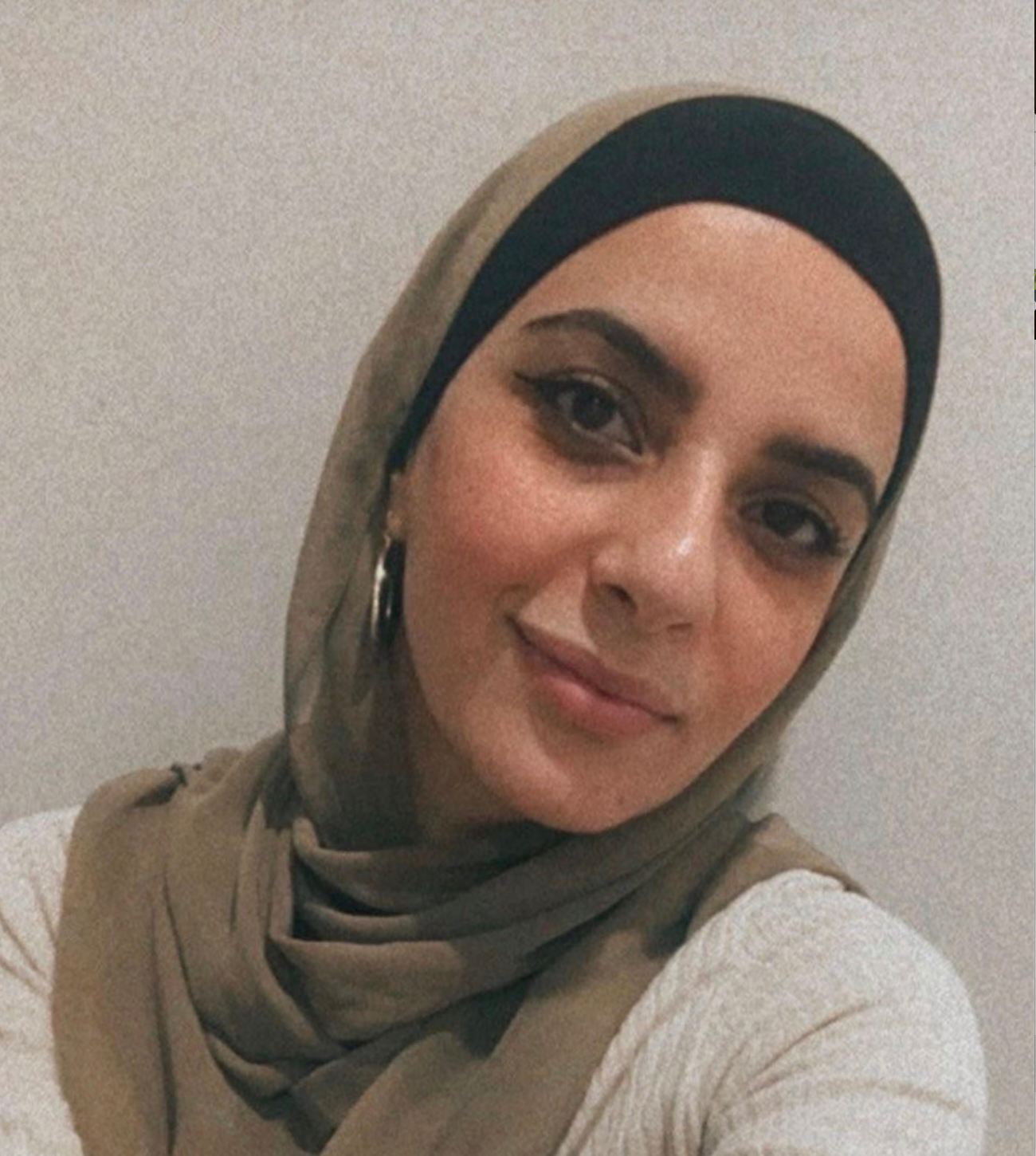
On March 13, Palestinian immigrant worker Leqaa Kordia, 33, a U.S. resident, will mark exactly one year since her detention by Immigration and Customs Enforcement (ICE) and given a political prison sentence disguised as an immigration status case. She remains incarcerated in a detention center in Texas.
Leqaa is originally from East Jerusalem and worked as a waitress in Paterson, N.J. She supported her family while fighting to regularize her immigration situation.
Leqaa’s crime, in the government’s eyes, was participating in a peaceful protest near Columbia University in April 2024 against the genocide committed by Israel in the Gaza Strip. She was arrested at the time, but the charges were soon dropped. She was arrested again in March 2025, after going to a DHS office to deal with her paperwork.
Many of Leqaa’s family members were killed in the Israeli offensive—which receives military, diplomatic, and political funding from the U.S. government. Her story exposes one of the cruelest faces of the current Trump regime: the domestic persecution of those who dare to denounce the barbarities that American imperialism sponsors in the Middle East. Arresting activists who fight for Palestinian liberation is the expression, within U.S. borders, of the imperialist policy to subordinate Gaza as a colony—first through fire, then through the silence imposed on those who protest and those who resist.
In February of this year, Leqaa suffered a seizure, fainted, and hit her head. She spent three days hospitalized—shackled to the bed, unable to speak with her family. ICE hid her whereabouts from her family and legal defense. “They refused even to remove the chains when I went to the bathroom or took a shower,” she told The Guardian, in an article published on Feb. 13. “I felt like an animal,” she said in testimony broadcast by Democracy Now! on Feb. 16.
Leqaa remains behind bars. Even after an immigration judge authorized her release on a $20,000 bond—an amount her family was ready and willing to pay—ICE appealed the same day and kept her imprisoned. The official justification points to her having sent money to relatives in Gaza. In the distorted logic of the Department of Homeland Security, this would make her a “Hamas supporter.” The accusation was dismissed by the judge on the case, Tara Naselow-Nahas. In her decision, the magistrate stated there is no evidence in the record that Leqaa supports Hamas or is a member of a terrorist organization, concluding that the court cannot consider sending money to a relative in Palestine as constituting support for terrorism.
Trump wants to silence activists in the country
The persecution of Leqaa is not an isolated case. Trump uses the immigration system to criminalize international solidarity with Palestine and also to instill fear among U.S. working people, who can feel intimidated when seeing activists from various movements being harassed or arrested.
The Trump administration has turned ICE into a political repression arm. Mahmoud Khalil, Mohsen Mahdawi, Rasha Alawieh, Rümeysa Öztürk, Sarah Shaw—dozens of pro-Palestine activists, many of them students and immigrant workers—have already been detained, threatened with deportation, or expelled from the country. Many others now live in hiding, afraid of being next.
The Trump regime is the political expression of U.S. capital in crisis, facing inter-imperialist competition with China. To try to discipline the working class internally, the government needs to increase the degree of repression. ICE is its military and political tool of coercion, used to sow fear and criminalize any dissenting voice.
Unify the struggle for democratic freedoms
The campaign to free Leqaa has gained prominence, especially because we know she is not alone; other activists for the Palestinian cause are currently being persecuted. But Leqaa’s release will not come from appeals to the government’s goodwill, or any disposition from bourgeois judges, or from the tepid opposition of “liberals” who choose to remain silent before Trump’s repressive escalation. It will come from the independent mobilization of the masses.
Working people have already signaled the path in the Minneapolis struggles, when they took to the streets and confronted the state apparatus that murdered Alex Pretti and Renee Good. Strikes, occupations, marches—these are the methods that build collective resistance capable of halting the brutal repression underway. Every day, new cases emerge: Palestinians, Latin Americans, students, Black workers—all turned into targets for expressing opinions that displease the man in the White House.
The Trump regime wants to make an example of every dissident. It wants to demoralize them, isolate them, break them physically—to implant fear in a population that is beginning to awaken and oppose his policy of war against the country’s oppressed. Freeing them, therefore, is more than an act of individual justice; it is a key step in the political struggle against the authoritarianism growing in this country.
Leqaa Kordia must be freed—and with her, all political prisoners of this government. Not one step back in solidarity with the Palestinian people! No retreat before the ongoing barbarism! Workers’ Voice unconditionally supports the liberation of Leqaa Kordia and all those politically persecuted by the Trump regime.
First published here by Workers’ Voice
Photo: Hamzah Abushaban


